
ONLINE ONLY | ENDS 12/25
for more information on this promotion, see our current promo details page. See Details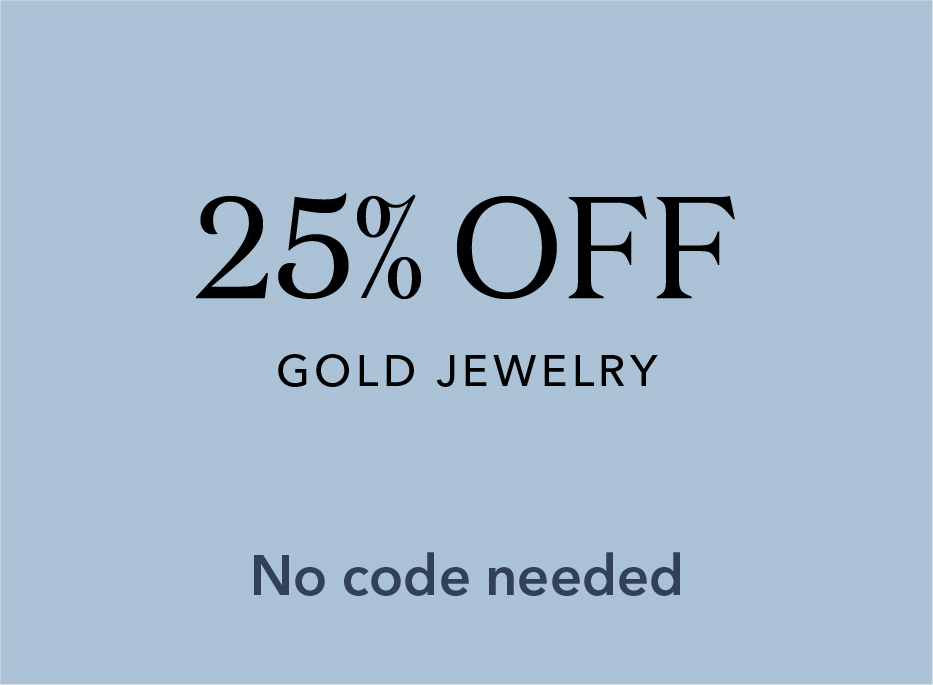













LIMITED TIME ONLY
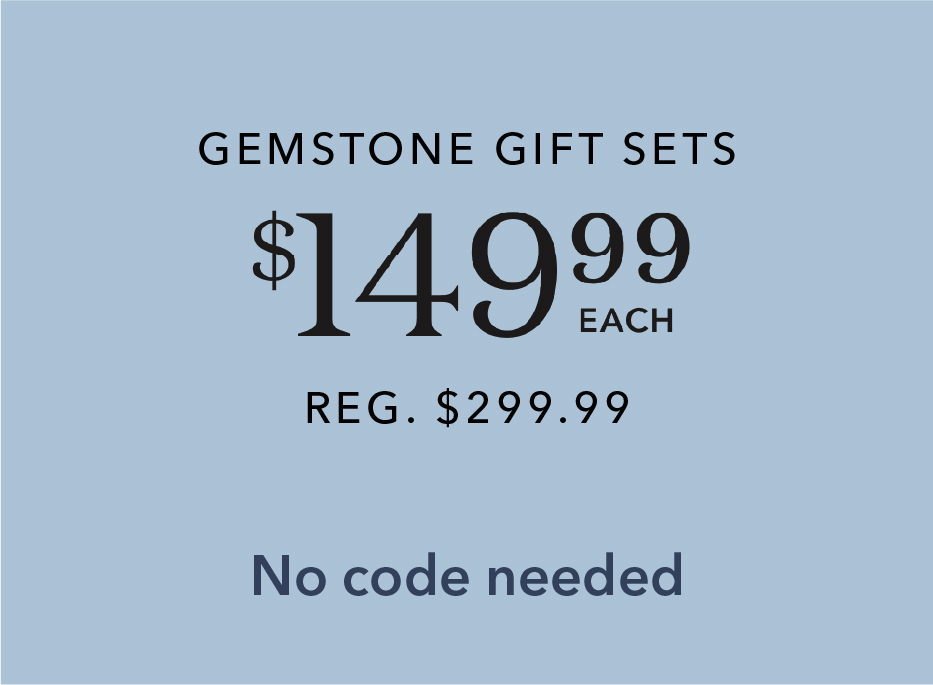
for more information on this promotion, see our current promo details page. See Details
LIMITED TIME ONLY
for more information on this promotion, see our current promo details page. See Detailsgemstone guide
With a broad spectrum of gorgeous hues, gemstones bring a pop of color to any jewelry collection. From fiery rubies to serene sapphires, the right gem can add the final touch of perfection to any great outfit. Helzberg Diamonds is proud to offer a large variety of gemstone jewelry, and knowing more about it — including knowing how to clean and care for it — will help you get the most value out

what is a gemstone?
Created deep in the Earth, a gemstone is a piece of mineral crystal that is cut and polished to make jewelry. Gemstones are admired for their beauty, durability and rarity. According to legend, certain stones are said to heal illnesses, bring love and good luck,
types of gemstones
There are a number of different gemstones with varying colors, qualities and characteristics. While the list goes on and on, some of the more well-known gems are: sapphires, rubies, emeralds, alexandrite, amethyst, garnet, aquamarine, opal, pearl, rose quartz, peridot, tourmaline, tanzanite, topaz, morganite, moissanite and citrine.

precious gemstones
Sapphires, rubies and emeralds are precious gemstones. They have existed for centuries in nature and will continue to endure the test of time. Today, precious gemstones are also created in labs to offer the best value to customers. Traditionally, these gems have been very sought after and valuable stones.

semi-precious gemstones
With the exception of sapphires, rubies and emeralds, in general, all other gemstones are considered semi-precious stones. Typically, semi-precious gemstones cost less than precious stones, but some semi-precious gems can actually be more valuable than precious gems. For instance, many natural pearls are worth more than a low-quality precious ruby, sapphire or emerald. Semi-precious gemstones are perfect for those who want an endless array of color options and a larger look at an affordable price.

natural gemstones
Natural gemstones, also called genuine gemstones, are formed in nature after millions of years of chemical processes. They are extracted, cut and polished to create the stunning gems you see in fine jewelry.

lab created gemstones
Lab created gemstones are formed in laboratories using specialized technologies. They are physically, chemically and optically identical to gems found in nature.
gemstone grade chart
Gemstones are graded by characteristics similar to those of diamonds. Rarity, color, brilliance, transparency, durability, cut, optical effects and size are all weighed when determining the worth of a gem. Gemologists use specific values to help differentiate gems based on these properties.

gemstone color
Gemologists typically describe gem color by referencing three properties: hue, tone and saturation. The basic hues are orange, red, yellow, green, violet, blue and purple. Saturation refers to the intensity of a gem's hue, which can be soft or strong. A gemstone's tone refers to its relative darkness (black) or lightness (white).

gemstone durability
The Mohs Scale is the industry-standard test to grade a gemstone's hardness or durability. Gemstones are graded 1 to 10, with 10 being the hardest or most durable. Durability is important to consider when purchasing a gemstone, especially if the gem is set in a piece of everyday-wear jewelry, such as an engagement ring.

gemstone clarity
A gem's clarity grade indicates the relative absence of fractures, inclusions and blemishes that affect its structural integrity and appearance. When grading most colored gemstones, gemologists simply note whether a gem is eye-clean (with inclusions invisible to the naked eye) or else slightly, moderately or heavily included.

gemstone cut styles
Cutting gemstones is a process by which raw, rough crystal is shaped into the transparent, polished and brilliant gemstones we see in fine jewelry. Gemstones have a variety of shapes and can be cut to accommodate diverse jewelry designs. A gem's cut and shape work together to enhance its overall clarity, color and shine.

gemstone size
While a diamond's size is measured by carat weight, a gemstone's size is measured in millimeters. Different gemstones have different weights, but size is frequently described as length by width (e.g., an 8x6 oval blue sapphire).

gemstone enhancement
Enhancements are applied to select gemstones to improve their wearability and appearance. Specific treatments are used based on the unique gem type and desired effect.
frequently asked questions
The best and safest way to keep your gemstone jewelry clean is to bring it into your local Helzberg Diamonds store for a complimentary cleaning and inspection.
For cleaning at home, it's best to start with the mildest treatments first. Using a jewelry polishing cloth, wipe lightly over the areas that need a polish. If you don't have a polishing cloth, felt fabric will work. But make sure you don't use facial tissue or paper towels, as the fibers in these kinds of materials can actually cause scratches and degrade the quality of your jewelry.
If you choose the wrong type of cleanser, you could easily scratch less durable gemstones and damage the precious metal components of your jewelry. With this in mind, the best way to clean a necklace, ring or bracelet is to mix a simple solution of ordinary degreasing dish soap and warm water.
Soak the jewelry piece for 20 to 40 minutes. Then, gently brush the stones using a very soft-bristled toothbrush. Afterward, thoroughly rinse the jewelry under warm running tap water.
Since some gemstones are sensitive to heat and light, you should store your jewelry at room temperature out of direct sunlight. It’s also best to keep less durable gems away from harder stones. Because of the exceptional hardness and durability of diamonds, always store your diamond jewelry separately from other pieces to keep from scratching softer gems. You can also wrap your diamond pieces in a soft cloth to minimize the risk of any potential damage.
The rarest gemstone is Painite. Because of its incredible scarcity, however, you won’t find this priceless gem in jewelry. In the jewelry world, there are a number of exceptionally rare gemstones, including tanzanite, jadeite, alexandrite, paraíba tourmaline, ammolite, red beryl and Kashmir sapphires.

schedule an appointment
Schedule an online or in-person appointment to discuss the different types of gemstones Helzberg carries and explore our gemstone jewelry selection.
get startedmore advice

engagement buying guide
Finding the perfect engagement ring can be overwhelming, but it doesn't

all about moissanite
A stone with major sparkle all its own, moissanite is a popular

natural vs. lab grown diamonds
Learn the difference between diamonds mined from the earth and diamonds grown