







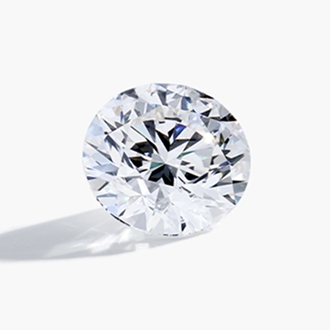
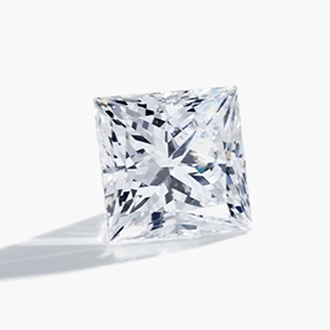
An image of loose diamonds

Guide to diamond shapes

If you’re ready to shop for engagement rings, now is the perfect time to learn about diamond shapes. Besides the popular classic round brilliant cut — what most people picture when they imagine a proposal — you might like square, rectangular, oval, pear, heart or other fancy shapes. (And yes, that’s what they’re called.)

Something to remember: Diamond shape and cut are technically different things, though many people use them together or interchangeably. Shape is the form of a diamond — its outline when viewed face-up. Cut refers to the overall design — the arrangement and proportions of the facets. 

A video of an assortment of engagement rings of all diamond shapes on display.
Picture of an round diamond engagement ring on hand.

popular AND timeless

Round

The 58 facets of a round-cut diamond reflect light off each other and through its top, resulting in brilliant flashes of fire and light. This shape offers the greatest flexibility in balancing carat, cut, color, clarity grade and price. It stands out in everything from classic solitaires to statement styles.

A Helzberg solitaire engagement ring with a yellow  gold band.

CLASSIC MEETS CONTEMPORARY

Princess

With a similar facet pattern to round-cut diamonds, the square princess cut gives maximum sparkle in a clean, contemporary shape. The corners may let a little color shine through, but the design helps hide inclusions. Want to emphasize (and protect) its best features? Try a modern bezel setting.

A Helzberg solitaire engagement ring with an emerald cut diamond and a yellow gold double band.

SOPHISTICATED SIMPLICITY

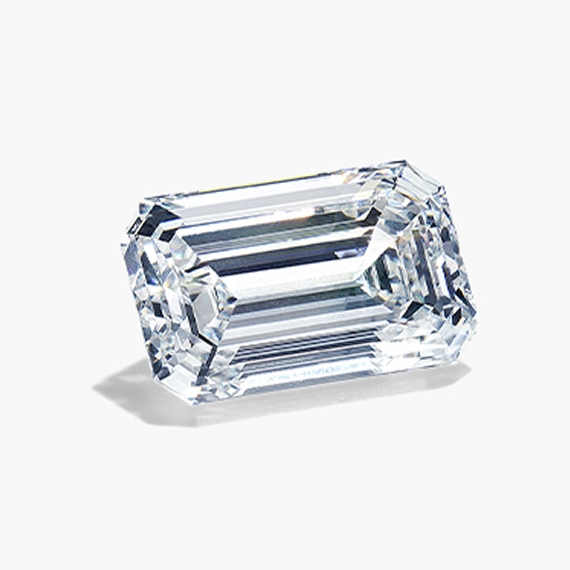
Emerald

It takes high grades for color and clarity to turn an emerald-cut diamond into a gleaming hall of mirrors. Long, step-cut facets run parallel to each other, making this geometric diamond perfect for Art Deco, minimalist and vintage-inspired settings. Wear it vertically to lengthen the fingers, or turn it on its side in a modern east-west design.

Helzberg engagement ring featuring an elongated cushion-cut center diamond with round diamond accents on a gold band, paired with a matching diamond wedding band.

VINTAGE INSPIRED CHARM

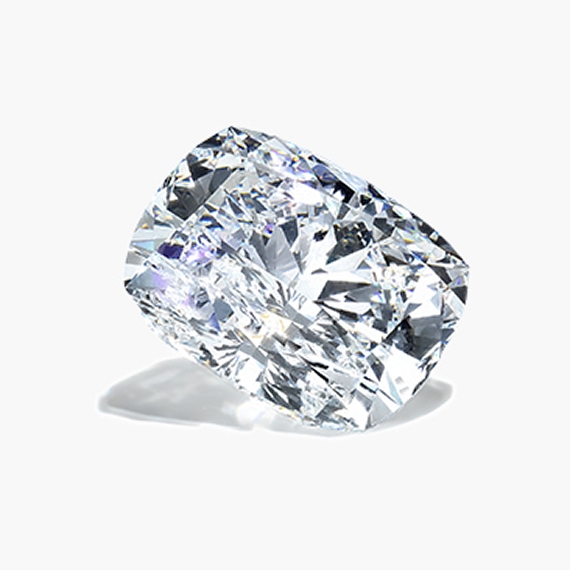
Cushion

The cushion cut is one of the most historic diamond shapes and the most varied. Cushion-cut diamonds come in square and rectangular — also called “elongated,” shapes — both featuring the rounded corners behind the alternative name ‘pillow cut.’ Diamond cutters choose from multiple facet patterns, such as the classic chunky style or more modern ‘crushed ice’ look.

Close-up of a hand wearing a yellow gold engagement ring with an oval-cut diamond center stone, paired with a matching yellow gold wedding band featuring a row of round diamonds.

MODERN ROMANtic

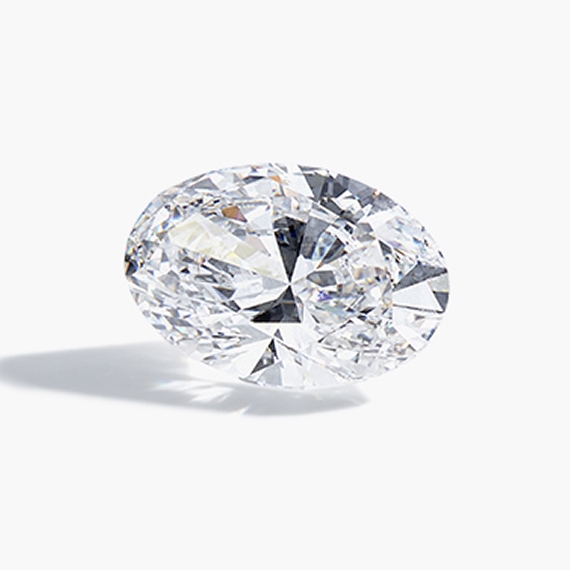
Oval

This versatile engagement ring shape holds the spotlight in any setting, from vintage-inspired to the latest styles. Its elongated form makes the oval diamond shape look bigger than shapes with the same carat weight and has a lengthening effect on the finger. Try an on-trend twist with an east-west setting.

A white gold engagement ring featuring a pear-shaped diamond center stone with round diamond accents along the band.

UNIQUELY ELEGANT

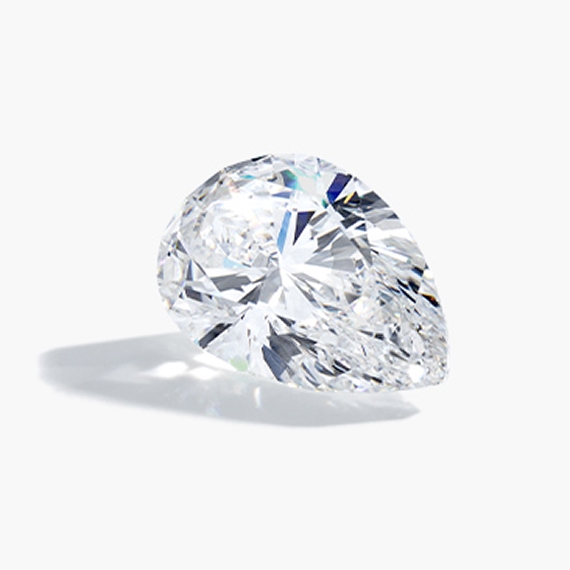
Pear

Combining the best features of the round and marquise shapes, pear-shaped diamonds are stunning in settings from minimalist solitaires to elaborate halos to vintage designs. With one end perfectly pointed and the other gracefully rounded, the asymmetrical pear shape requires excellent craftsmanship. You choose whether to wear the point up or down — it’s beautiful both ways.

Close-up of a hand wearing a white gold engagement ring with a marquise-cut diamond center stone and a band accented with baguette diamonds.

DAZZLE AND DRAMA

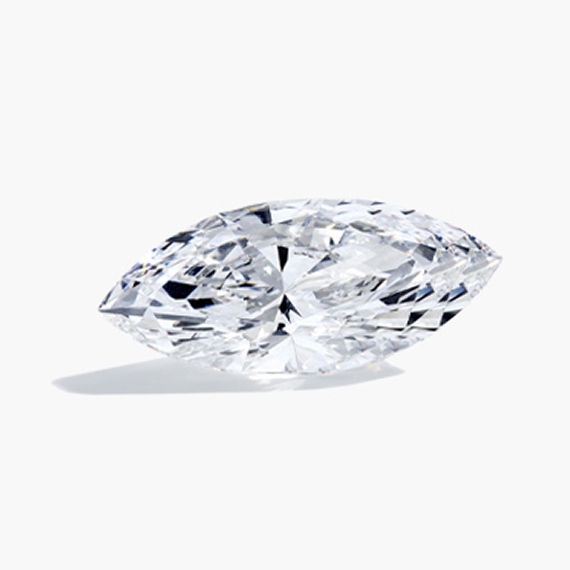
Marquise

The marquise diamond started with a story: inspired by his lover’s perfect lips, King Louis XV commissioned this unique shape in the mid-1700s. Its elongated shape has more visible surface area than other cuts of the same weight, enhancing the finger-lengthening effect and creating the illusion of a larger diamond. The marquise shape is brilliant cut for sparkle and the pointed tips give it dramatic flair.

A radiant cut diamond engagement ring with a yellow gold band.

exceptional brilliance

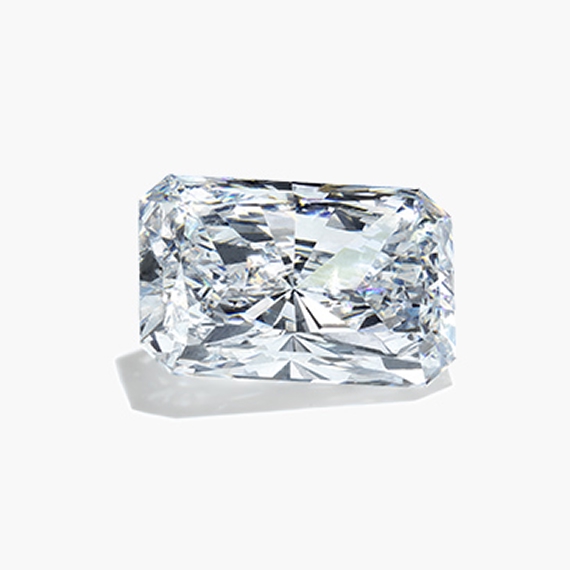
Radiant

Aptly named radiant-cut diamonds combine the sophistication of emerald shapes with the audacious sparkle of brilliant cuts. Its facets help hide inclusions, so this shape is also known for remarkable beauty and value. Radiant diamonds are cut in square and head-turning rectangular shapes to fit a multitude of styles. Prong-style solitaire settings bring out their brilliance.

Close-up of a hand wearing a yellow gold engagement ring featuring a heart-shaped diamond center stone.

in love with love

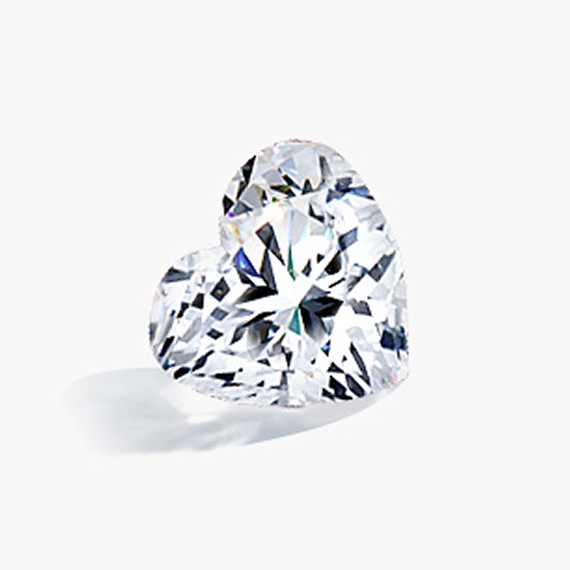
Heart

Unapologetic romantics adore a heart-shaped diamond — the unmistakable symbol of true love. Balancing symmetry and maximizing brilliance takes expert craftsmanship, so the right ring style will showcase the heart shape and protect its delicate point. Whether you prefer a whimsical look, something sweet or going loud and proud, consider a prong or bezel setting.

White gold engagement ring featuring an Asscher-cut diamond center stone set on a sleek, polished band.

ARCHITECTURAL INSPIRATION

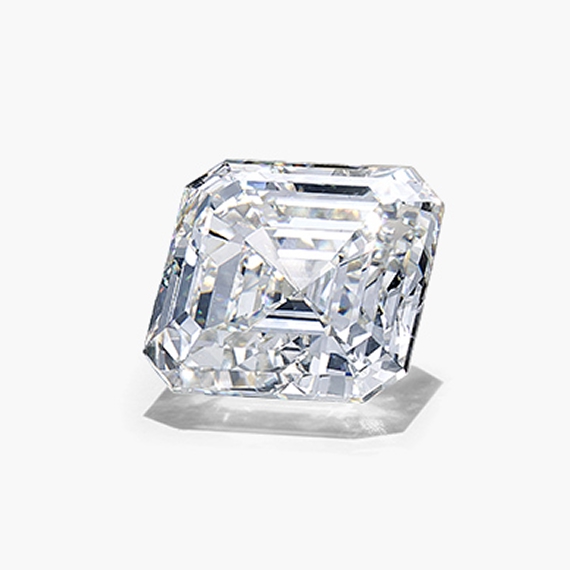
Asscher

Designed in 1902 by Joseph Asscher, this geometric, step-cut shape was popularized by the Art Deco design movement. The Asscher’s X-shaped facets and deep, dimensional profile draw the eye inward with their hypnotic hall-of-mirrors effect. Heighten the effect with a three-stone setting or set it off in a solitaire.

your perfect proposal starts here

Create your own engagement ring

Do you know exactly what you want...or will you know it when you see it?

Find out how different diamonds, settings and styles look together 

in real time using our best-in-class customization experience. 

GIF showing several different types of engagement ring styles.
DIAMONDS FROM THE ROUGH

How diamonds are cut into shapes

It takes a combination of talent and skill, art and science, tools and technology. Diamond cutting begins with 3D scanners and laser mapping to find the potential for a dazzling gem inside a rough stone. After figuring out the best way to maximize quality and minimize waste, a diamond cutter splits the rough diamond into pieces. Next comes bruting— spinning two diamonds against each other to create the basic shape.


The diamond cutter designs and shapes the precise angles and proportions of each facet, then polishes the diamond to perfection. Performed by experts and judged by strict industry standards, this process optimizes the brilliance, fire and scintillation in every Helzberg diamond.

Close-up of a diamond held in a metal clamp during the cutting or inspection process, with a jeweler’s loupe positioned nearby.

Frequently Asked Questions

The facets of brilliant-cut diamonds, including round, princess and radiant shapes, are designed to maximize brightness, fire and scintillation. Marquise, pear and oval cuts combine brilliant facet patterns with unique shapes.

Shapes with more surface area, such as oval, pear and marquise shapes, look bigger than other shapes with similar carat weights. Rectangular emerald and radiant-cut diamonds, with their trimmed corners, also appear larger.

Rectangular and elongated diamonds can have slimming, lengthening effects on the finger. Consider emerald and radiant cuts, elongated cushion cuts, and  oval, pear and marquise diamonds.

Fancy shapes with pointed ends are more prone to cracking and chipping than others. Choosing a V-prong, bezel or halo setting can protect the vulnerable points on a marquise, pear, princess or heart-shaped diamond.

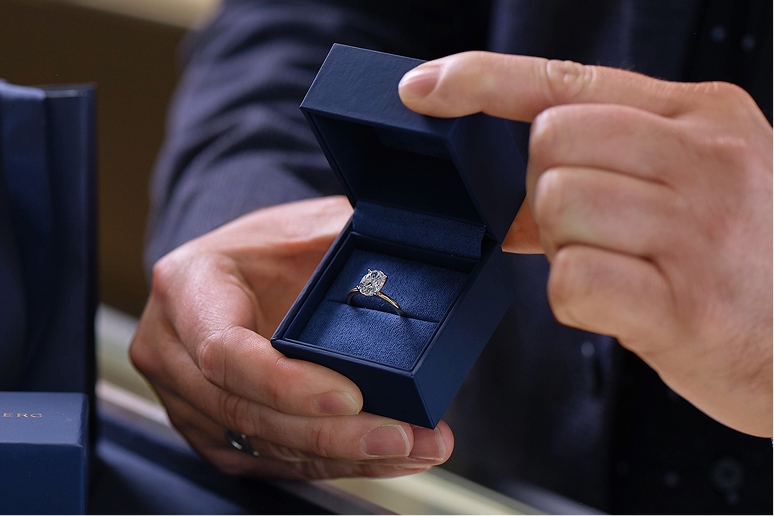
Helzberg jewelry expert standing at a counter wearing a dark blazer with a round gold pin.

how do i choose a diamond shape?

Talk to an expert

Helzberg jewelry experts know that diamond shapes are about more than aesthetics. What kind of sparkle makes you light up? What’s your signature style? What story do you want to tell? We’ll help you ask the right questions to find the diamond shape that’s right for your ring.